PixVerse AI V5.5 Introduces Production-Ready Video Generation with Advanced Features

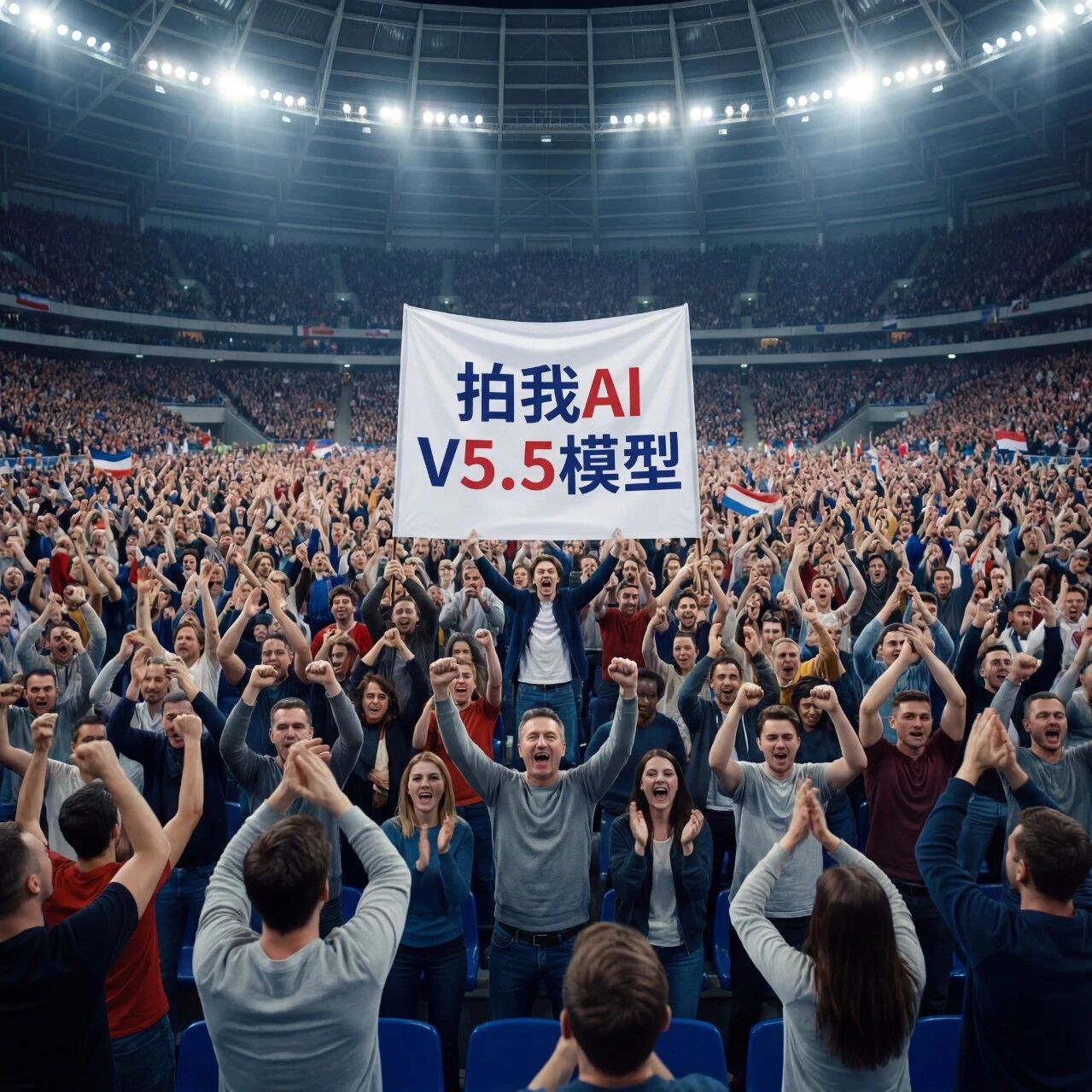
As AI systems move beyond text and static images, the demand for sophisticated video generation tools is increasing. PixVerse AI has introduced its new V5.5 model, which aims to address this demand by offering enhanced capabilities for creating high-definition, production-ready video content. The official release highlights several key features, including audio-visual integration, lip-syncing, intelligent multi-camera narration, and the ability to generate 1080P video within 60 seconds.
Key Points
The PixVerse V5.5 model is designed to streamline the video production process. It allows users to control various elements directly through prompts, such as sound effects, dialogue, voice, music, and camera angles. For new users, the system can automatically handle shot division, add sound effects and music, synchronize audio and video (including lip-syncing), and manage multi-camera switching with logical and rhythmic transitions.
Audio-visual integration is a core capability, enabling the direct output of videos with automatic background music, ambient sounds, and accurate lip-syncing for dialogue. This feature aims to eliminate the need for secondary editing, making videos immediately consumable.
Multi-camera narration provides a "director's touch" by automatically handling shot division, varying shot types, and creating natural emotional rhythm transitions. This allows for dynamic storytelling, even from a single text prompt or image.
The model supports video generation of up to 10 seconds in 1080P resolution. While 5-second segments are more amenable to automatic camera control, longer segments (up to 10 seconds) require more complex prompt writing for precise camera management.
Furthermore, model comprehension has been enhanced. Beginners can generate videos with simple text prompts, while experienced users can craft professional-grade films using detailed, shot-by-shot instructions. The system also supports various anime styles and incorporates the latest Nano Banana Pro model for image generation.
Under the Hood
The foundation of PixVerse's technology is a self-developed Diffusion + Transformer hybrid architecture. This architecture is distinct from mere "re-encapsulation" or "rebranding" of existing models.
Diffusion models contribute to natural motion and texture transitions within the generated video. Transformer architecture provides complex motion expression and long-term understanding capabilities. This combination results in fast generation speeds, capable of producing 8–10 second videos rapidly, and stable quality with continuous shot transitions and improved detail fidelity.
From a structural standpoint, this architecture enables a comprehensive, one-stop video production workflow. This includes text-to-video and image-to-video conversion, dialogue lip-syncing, automatic voiceover, simple sound effects, and one-click rendering and export. The entire process, from concept to a publishable short film, is largely automated.
Practical Application
To assess the V5.5 model's capabilities, a test involved creating an 11-segment science popularization short film. This project, titled "Why 'Nautical Miles' are Used Instead of 'Kilometers' to Measure Distance at Sea," required precise explanations of complex concepts. The process involved:
Script Generation: Utilizing ChatGPT for scriptwriting to ensure factual accuracy and visual guidance.
Image Generation: Uploading a character image and using the script to generate 11 multi-shot scene images via Nano Banana Pro to maintain character and scene consistency.
Prompt Generation: Employing ChatGPT to write PixVerse prompts, including dialogue, to streamline the creation process.
Each segment was generated using one prompt and one line of dialogue to produce a 10-second shot. English prompts were used for better performance, while Chinese dialogue was incorporated. The generation process involved creating one shot at a time, with the ability to run multiple generation tasks concurrently.
Observations from this practical application indicated that Chinese dialogue is largely functional, though numbers sometimes require careful phrasing (e.g., using "三百六十" instead of "360"). Semantic understanding of images showed some limitations, particularly with distorted Chinese text in images, though images without text were high quality. The overall quality of the generated shots was deemed "publishable," especially for knowledge-based short videos, and significantly improved by multi-camera switching.
Forward View
The PixVerse V5.5 model significantly lowers the barrier to video creation. Previously, producing a short film involved multiple steps, including scriptwriting, design, voiceover, and extensive editing. Now, the process can be condensed to scriptwriting, prompt generation, AI-powered image and video output, and final editing.
However, for optimal results, it is recommended to break down content into "one knowledge point per shot" and keep dialogue concise. Complex logic is best conveyed through subtitles and narration, with visuals serving as aids. The tool, while powerful, still requires user creativity and patience, particularly as the model continues to be refined. PixVerse also offers template and agent functions to further simplify the video creation process.