Nano Banana Pro and Lovart.ai: Redefining Visual Content Creation

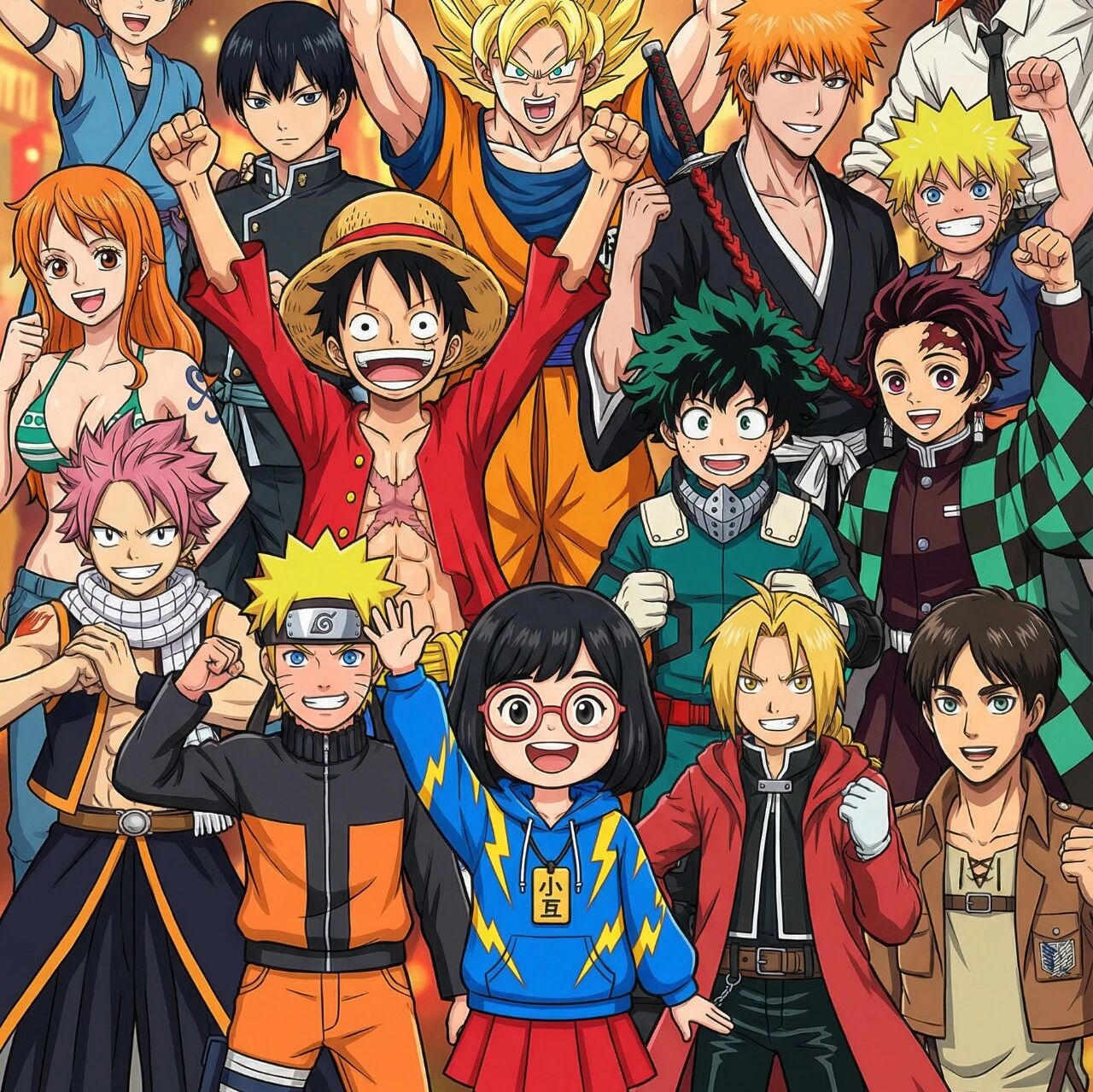
The release of Nano Banana Pro has positioned it as a leading image model, shifting the focus from basic image quality to its potential to transform visual content creation workflows. This development suggests a move towards AI generating "finished assets" directly applicable in commercial and educational contexts.
Key Highlights
Advanced Image Generation: Nano Banana Pro demonstrates capabilities in generating complex, multi-frame visual narratives and detailed commercial graphics.
Integrated Workflow with Lovart.ai: The combination of Nano Banana Pro and the Lovart.ai design agent enables comprehensive visual content production, from concept to finished product.
Diverse Applications: The system supports the creation of anime-style comics, educational learning cards, and full commercial brand visual systems.
Enhanced Consistency: The AI maintains character consistency, stylistic coherence, and narrative flow across multiple generated images and sequences.
Background / Context
Previous generations of AI image models primarily focused on generating aesthetically pleasing images. However, recent advancements, particularly with models like Nano Banana Pro, indicate a strategic shift towards producing functional visual assets. These assets are designed for direct use in areas such as advertising, branding, educational materials, and digital comics, tasks that traditionally required extensive human collaboration across multiple design disciplines. The integration of a design agent like Lovart.ai aims to streamline this process, moving beyond single-image generation to a more structured and iterative design workflow.
Technical / Strategic Details
Nano Banana Pro's core capabilities, when combined with Lovart.ai, facilitate a sophisticated approach to visual content creation. For instance, in generating personalized anime comics, the system can:
Facial Recognition and Stylization: Identify and redraw user faces in an anime style, maintaining consistent features.
Unified Visuals: Apply consistent lighting, line work, and color palettes across diverse scenes and characters.
Narrative Coherence: Automatically generate storyboards, manage action logic, transition scenes, and maintain character consistency across continuous comic panels.
For educational materials, the system can visualize complex knowledge points into professional, illustration-style learning cards. This includes infographics for scientific principles, situational dialogues for language learning, and illustrated knowledge cards for various subjects. The system can batch-generate these materials while maintaining a unified style.
In commercial applications, Nano Banana Pro and Lovart.ai demonstrate the ability to establish entire brand visual systems. This involves understanding brand tone, font logic, color schemes, product styles, and commercial photography aesthetics to generate logos, product diagrams, and promotional posters. The system can also integrate with video models to produce dynamic visual content, significantly reducing the time and resources traditionally required for such projects.
Industry Relevance
The capabilities demonstrated by Nano Banana Pro and Lovart.ai suggest a significant impact on industries reliant on visual content. For designers and content creators, these tools could transition from being mere aids to becoming integral collaborators, potentially automating substantial portions of the design process. This development could lead to increased efficiency in producing marketing materials, educational content, and entertainment media. The ability to generate high-quality, consistent visual assets rapidly and at scale may also lower barriers to entry for small businesses and independent creators, enabling them to produce professional-grade content without extensive resources.
Outlook
Further observation will be necessary to assess the long-term integration and impact of such advanced AI tools on creative industries and professional workflows.